
In the Media
The following is a sample of where Wealth Within has been profiled in the media.

Greater market openness needed
Geelong Advertiser - 15 Oct. 11
ASIC is well and truly in the driver's seat as regulator of the Australian share market. So one would expect all remaining road blocks preventing a fair and transparent market place have been removed. However, I believe there are some areas that still deserve closer scrutiny. One area of particular importance for ordinary investors is the need for a greater degree of disclosure from market participants regarding short selling, especially in bear markets...

How to Make The Most of Market Volatility
Australian Financial Review - 12 Oct. 11
The more volatile the market is, the more expensive put options become, adding 10 to 15 per cent to the cost of the shares, says Dale Gillham, chief analyst at share education and investment company Wealth Within. They also need careful watching because their value decays as they approach maturity. Options over the S&P/ASX 200 Index would be better value, especially for a large portfolio. “Even so it can be cheaper just to use stop losses,” Gillham says. “When you buy, put in a stop-loss (at which you sell no matter what). The golden rule is let profits run and cut losses short. It’s as simple as that...

How to take charge of your financial future
Rescu.com.au - 20 Sep. 11
We all wonder how life might be different, if only we had a better job, partner, parents, education and many other things. We have also heard stories about people who have achieved amazing things from adversity and sometimes a little piece of us inside just wishes it could have been us. Recently I met a lady who after years of procrastination made the decision to be different and see if the grass was greener. I would like to share with you her story and more importantly, that triumphant moment when she realised how she could have taken action earlier but didn’t because she was frozen by her beliefs...

Stocks Open Up After European Fund Vote
Sky News Business - 19 Sep. 11
Wealth Within Analyst, Janine Cox said she had expected shares to lift higher than they did after Germany's parliament ended weeks of speculation about Europe's rescue fund on Thursday, by approving an expansion of the eurozone's rescue fund after the local market closed. She said the local bourse hadn't reacted strongly, or Wall Street as strongly as she'd expected, with investors taking a wait-and-see approach to equities. US blue chips rebounded but tech stocks fell Thursday after the crucial EU bailout vote and new US data gave the economy a slightly more positive tint...
Making the most of market volatility
Australian Financial Review - 06 Sep. 11
Dale Gillham from Wealth Within recommends options over the S&P/ASX 200 Index instead but says stop losses are cheaper still. Mr Gillham also says dollar-cost averaging during volatility can kill a portfolio.
Making A Difference
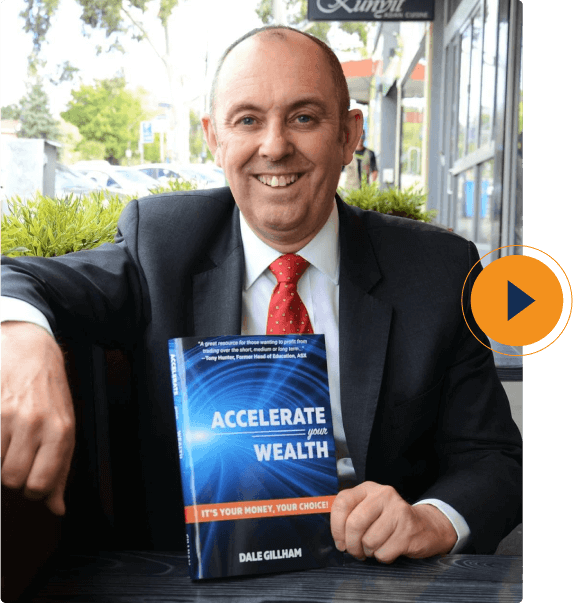
Wealth Within was co-founded in 2002 by Dale Gillham to provide a range of solutions to support our clients achieve their financial goals.
Our mission has always been "customer first in everything we do" – which means breaking down a lot of the myths in the market that hold individuals back from achieving their financial goals.

How We Can Help You Grow
 Trading Courses
 Carefully curated educational courses from Australia's most independently recognised share trading educator.
View Courses Learning Center
 Our extensive library of world-class education accumulated from decades of experience and expertise.
Keep Reading Investment Shop
 Accelerate your wealth with simple DIY investment strategies that let you take control of your investments.
View Investment Shop5 Stars
Years in business delivering high-quality education
of students rate the quality of education as excellent or very good
of students recommend Wealth Within