10 ASX Multi-Baggers Ready to Take Off: Buy Now
By Janine Cox, Fil Tortevski and Pedro Banales
Reading Time: 10 minutes
What if a single stock could double, triple, or even ten-bag your investment? It sounds like a fantasy, but multi-baggers do exist on the ASX, and right now, with markets shifting and money rotating between sectors, the hunt for them is more interesting than it has been in years.
In the latest episode of the Australian Stock Market Show, Wealth Within's Pedro Banales was joined by senior analysts Janine Cox and Filip Tortevski to break down ten ASX stocks with genuine multi-bagger potential. From rare earths and uranium to AI, lithium, and energy refiners, this watchlist spans the themes most likely to drive outsized returns over the next 12 to 24 months.
Here's the full breakdown, plus the critical levels every investor should be watching.
What to Consider Before Hunting Multi-Baggers
Multi-baggers come with one unavoidable trade-off: higher reward usually means higher volatility. Before chasing them, the analysts highlighted three non-negotiables.
The first is risk management. Without a clear stop-loss strategy, even the best-looking setup can quickly become a portfolio destroyer. The second is upside analysis, knowing how far a stock could realistically run, which requires solid technical analysis skills. The third is position sizing. As Janine put it, the ideal position size is one you barely feel; the moment your palms start sweating, your size is too large and your psychology will start making your decisions for you.
If you want to build these skills properly, Wealth Within's trading courses are built specifically to teach the structured framework professional traders use to identify and manage these kinds of opportunities.
Where the Multi-Bagger Opportunities Are Right Now
According to Pedro, the biggest tailwinds in 2026 are in resources, defence, materials, and energy. Last year's themes are not necessarily this year's themes, so chasing yesterday's winners is unlikely to produce the next ten-bagger. Tech is showing signs of returning, but with major US reporting season unfolding, traders are watching closely before committing.
With that backdrop set, here are the ten stocks the team broke down.
Stock 1: Arafura Rare Earths (ASX: ARU)
Arafura develops rare earth projects, particularly neodymium-praseodymium used in EVs and wind turbines. With critical minerals demand driven by electrification and the energy transition, this is a stock that could ride a long structural tailwind.
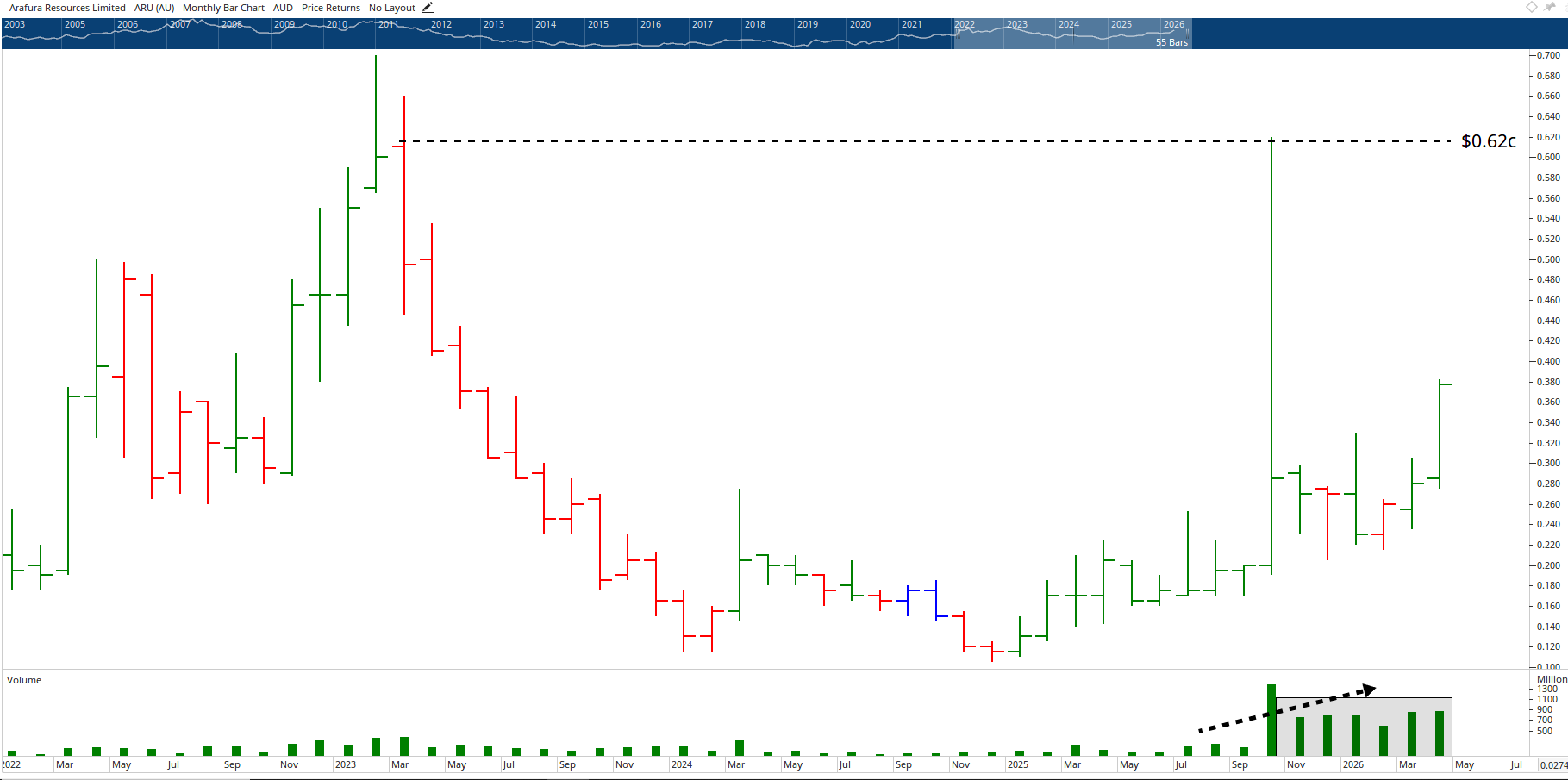
The chart shows a textbook setup: a bounce off lows, a sideways consolidation, and then a sharp breakout on solid volume over the past five to six weeks. Some traders may wait for a pullback to retest the breakout line for a more conservative entry. With prior highs near 62 cents, a return to those levels would represent roughly 100 per cent upside, with the potential to push toward $1 if momentum continues.
Stock 2: Hexagon Energy Materials (ASX: NH3)
Hexagon focuses on producing clean ammonia as a hydrogen carrier and energy source. With recent disruptions to ammonia supply chains in the Middle East, the macro tailwind is suddenly very real.
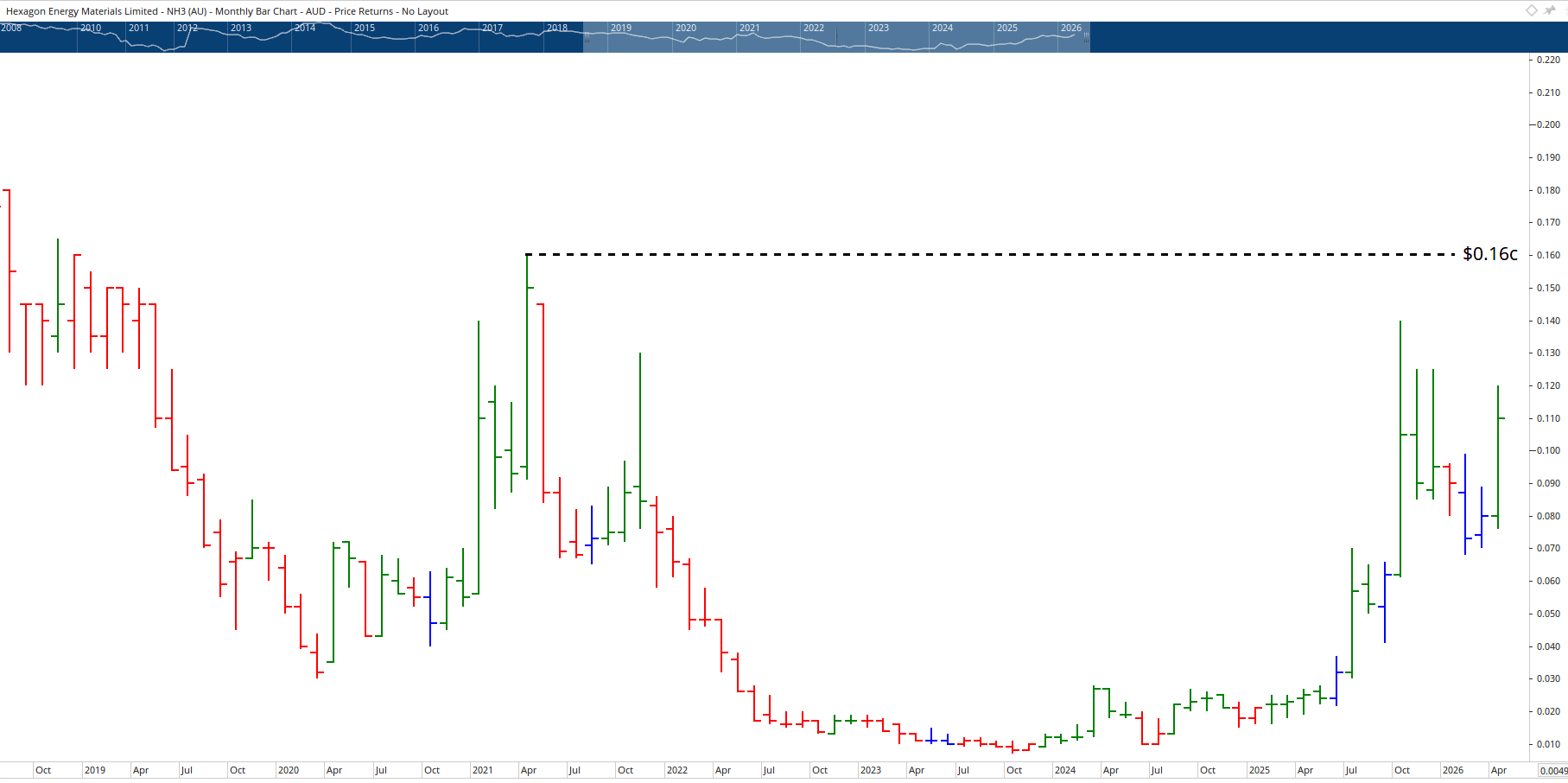
Technically, NH3 has established a strong upward momentum from its 2025 low, with two clean retests confirming support. On the weekly chart, the stock has crossed above its downward momentum line, with around 61 per cent upside available before reaching the next major resistance at 16 cents. As Pedro noted, volatile small caps like this need room to breathe, so position sizing and stop placement are critical.
Stock 3: Orbital Corporation (ASX: OEC)
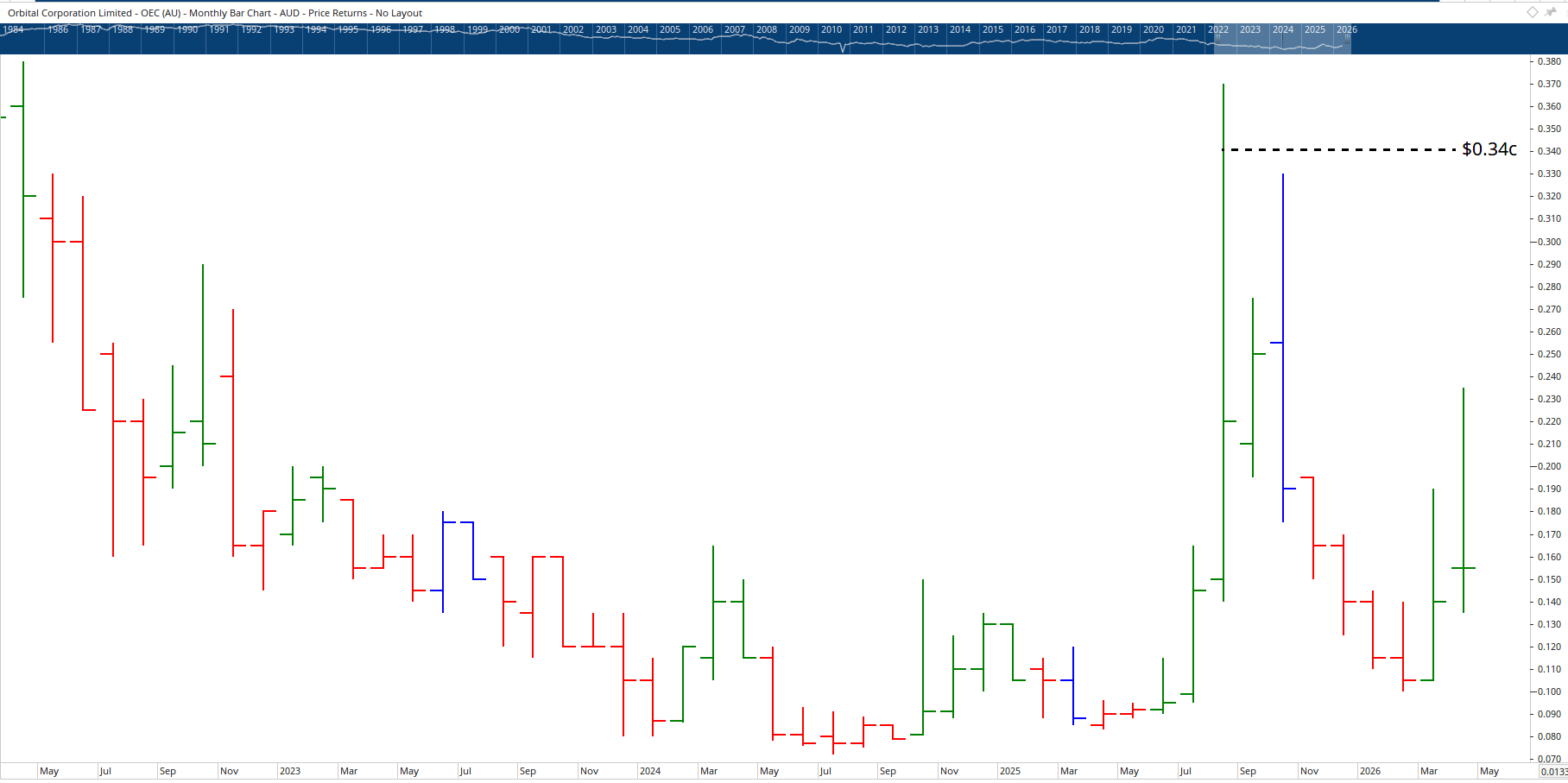
Orbital designs and manufactures propulsion systems for aerospace and defence. After breaking through historical support in 2014 and recovering, the stock is now testing whether buyers will commit to the next leg up.
Janine flagged caution on this one. While the stock has multi-bagger potential if it can clear 34 cents, it has spent years in decline and needs to prove itself. As she pointed out, this is exactly the type of stock where giving up a little upside in exchange for a higher-probability entry can dramatically improve your returns.
Stock 4: AML3D (ASX: AL3)
AML3D provides metal 3D printing technology for industrial applications, including defence and oil and gas. A recent contract with the US military has been a notable catalyst.
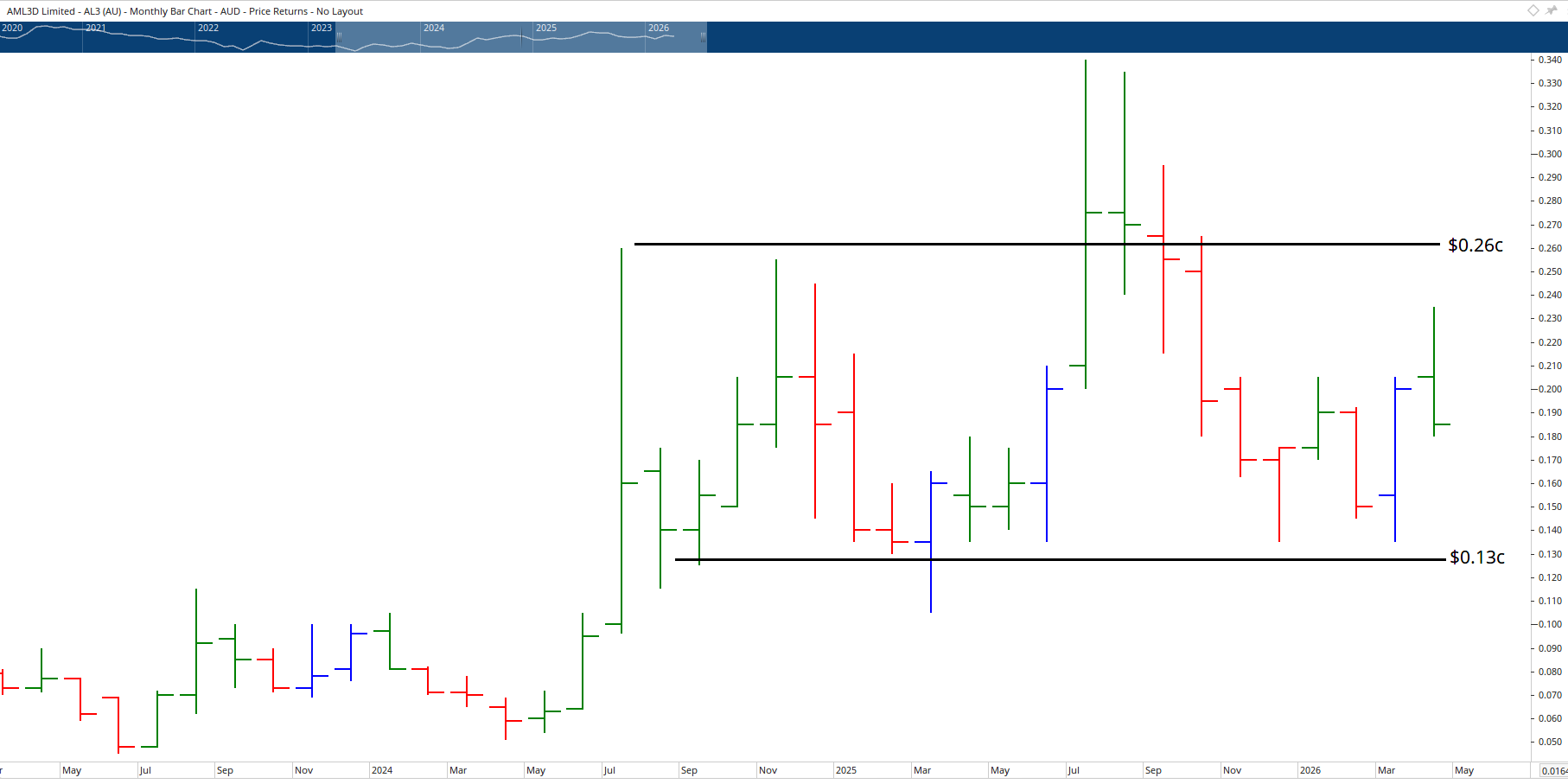
The stock is currently sitting in the middle of a trading range between 13 and 26 cents, which means the risk-to-reward isn't ideal at current levels. More conservative traders may wait for either a pullback to support, a confirmed break above 26 cents, or for the next reporting season to provide the spark. Volume has clearly increased in recent weeks, suggesting growing institutional interest.
Stock 5: Lake Resources (ASX: LKE)
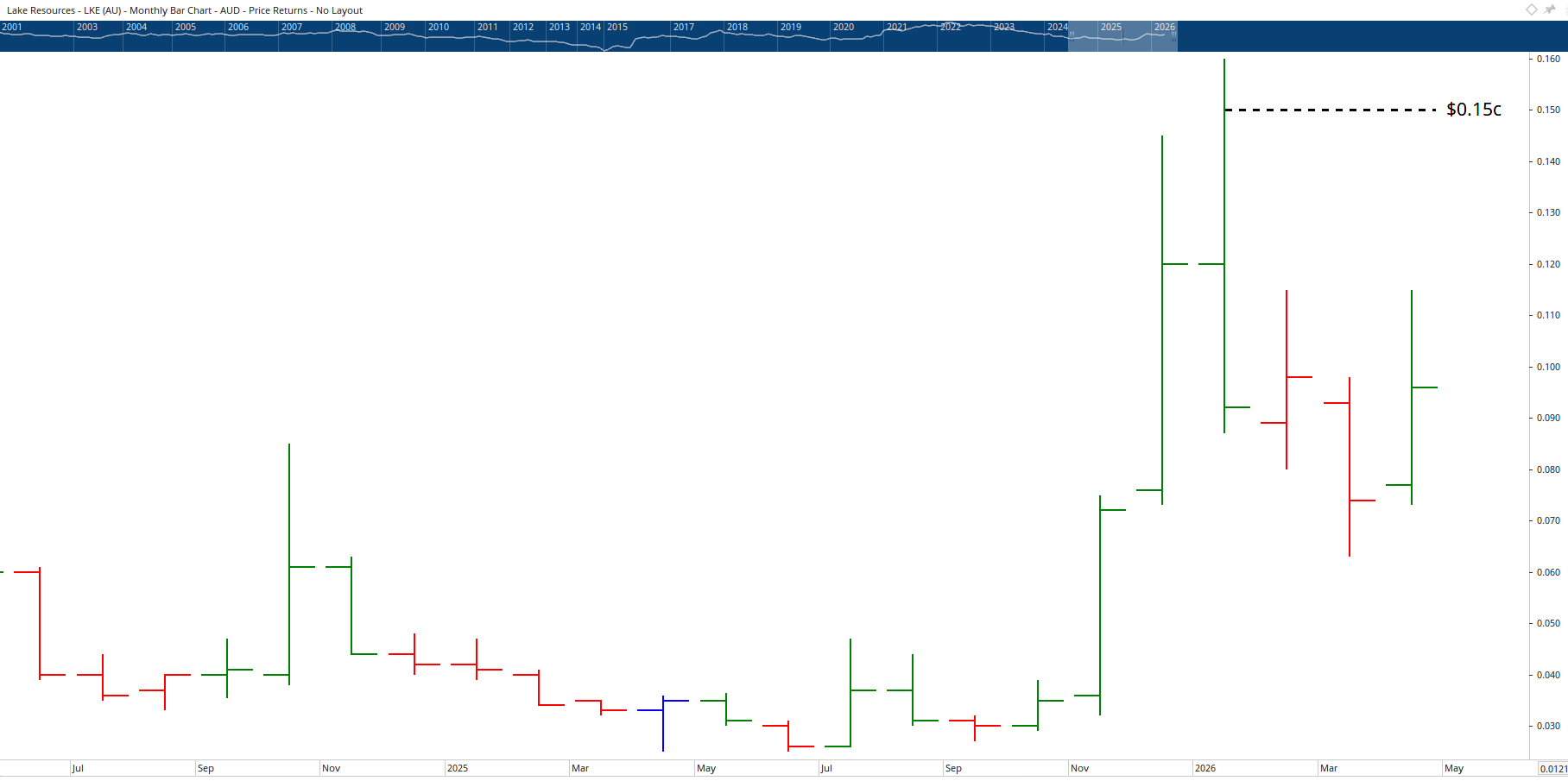
Lake Resources develops lithium projects using direct lithium extraction technology. With Rio Tinto's billion-dollar acquisition of Arcadium near the all-time low for lithium, big money is signalling that the sector's downturn may be ending.
The chart shows a triple bottom, a sideways consolidation, and a breakout, with the stock now tackling 15 cents. A clean break through that level could see Lake head toward the next major resistance around 28 cents, representing strong multi-bagger potential.
For traders who want to develop the skills to read these kinds of setups confidently, the Diploma of Share Trading and Investment provides the proven five-step framework used by professional traders.
Trending Topic: Why Big Tech Earnings Could Move Our Market
Before diving into the next five stocks, Janine flagged a critical macro driver: five of the Magnificent Seven are reporting US earnings this week, including Alphabet, Amazon, Apple, Meta, and Microsoft.
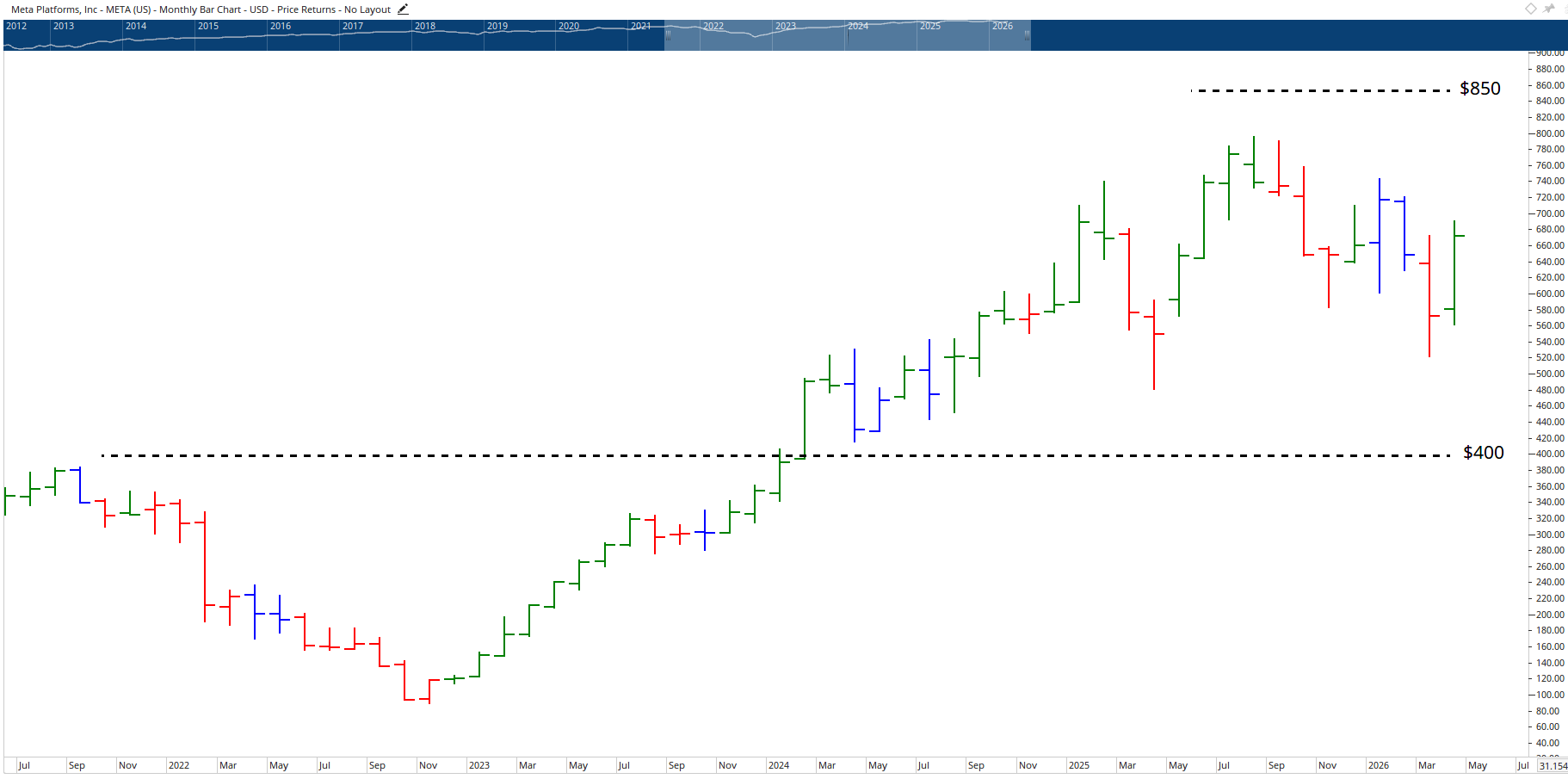
According to FactSet, 84 per cent of S&P 500 companies have reported earnings above consensus so far. Morningstar suggests Meta is undervalued, with a long-term price target near $850 and projected 18 per cent compound annual growth over five years. However, the chart shows a pattern that could go either way. A clean break above the January high would open the door to $1,000, but a breakdown below the recent low could see Meta fall toward $300 to $400.
The takeaway: oil and tech have been inversely correlated, so if oil continues to soften from the recent $115-$120 highs, tech could regain its momentum and pull our market higher with it.
Stock 6: Appen (ASX: APX)
Appen supplies AI training data sets for machine learning models, perfectly aligned with the global AI theme. After losing Google as its biggest customer, the stock collapsed, but it has since stabilised and started forming higher highs.
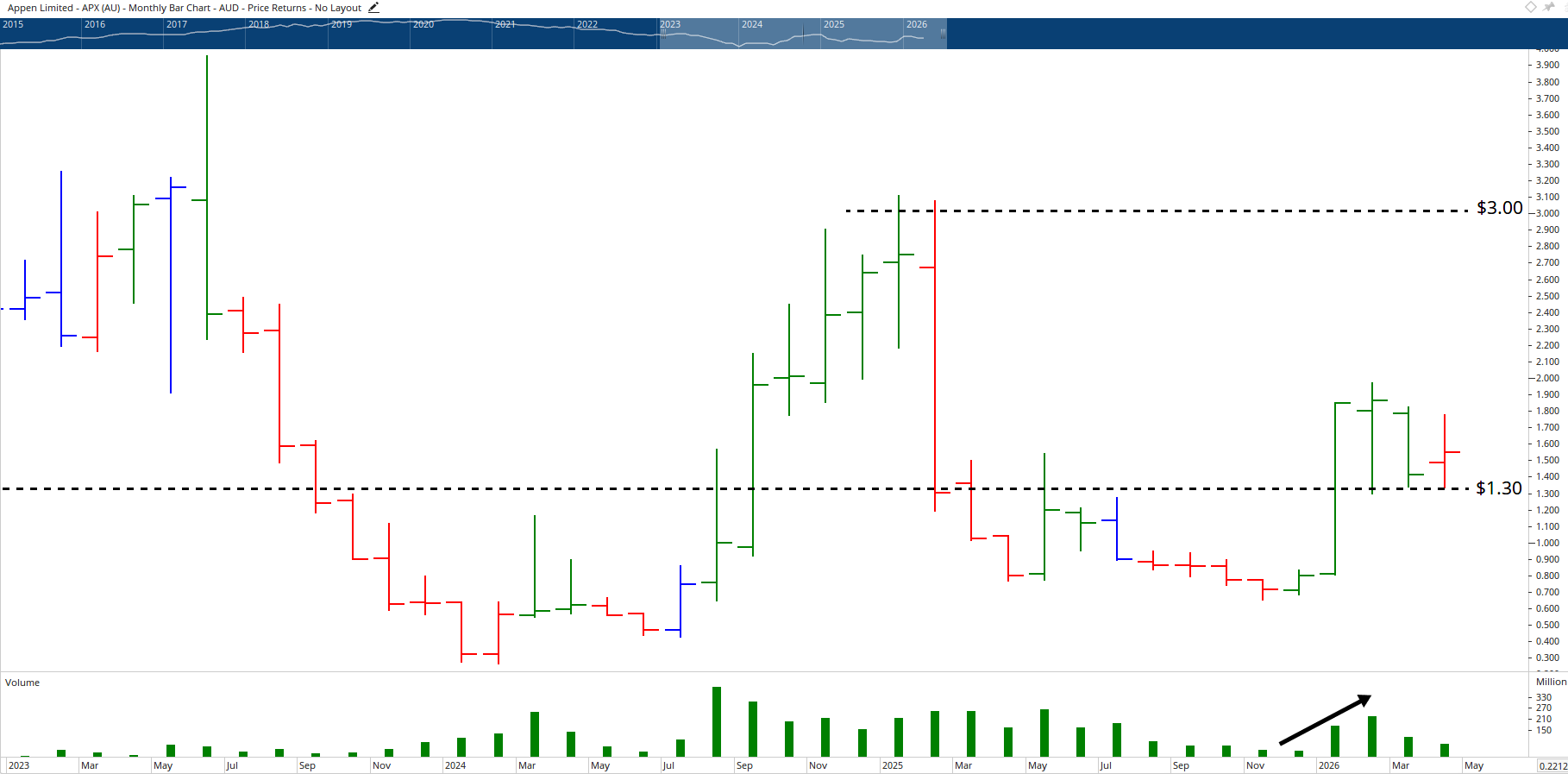
The weekly chart shows a sideways consolidation with rising volume into the breakout, sitting just above key support at $1.30. A break of the current downward momentum could see Appen retest its $3 high, which would represent close to 100 per cent upside from current levels around $1.60.
Stock 7: Clinuvel Pharmaceuticals (ASX: CUV)
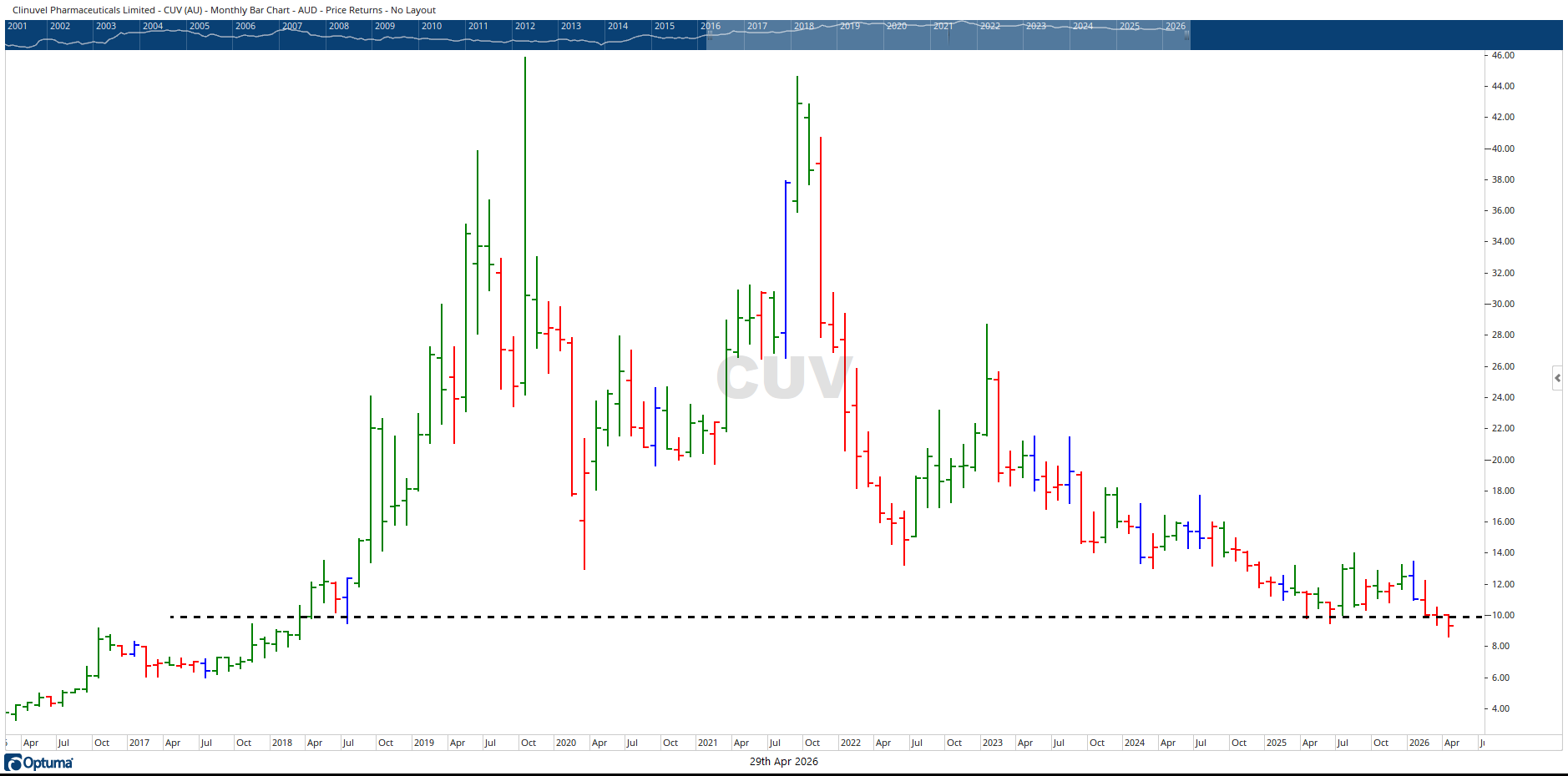
This pharmaceutical play develops treatments for rare skin disorders, a niche pharmaceutical market with strong pricing power and recurring demand. Recent FDA-related news could be a catalyst, but the stock is still searching for a bottom.
Janine's advice: keep this on a separate watchlist rather than trying to catch the falling knife. Wait for confirmation of a bounce, secured funding, and clear evidence that buyers are stepping back in before committing capital.
Stock 8: Boss Energy (ASX: BOE)
Boss Energy is a uranium producer focused on the Honeymoon Project in South Australia. With the first new US nuclear power plant in 40 years now operating in Georgia, and Bill Gates' TerraPower receiving approval for AI-focused nuclear power, the structural demand story is genuinely strengthening.
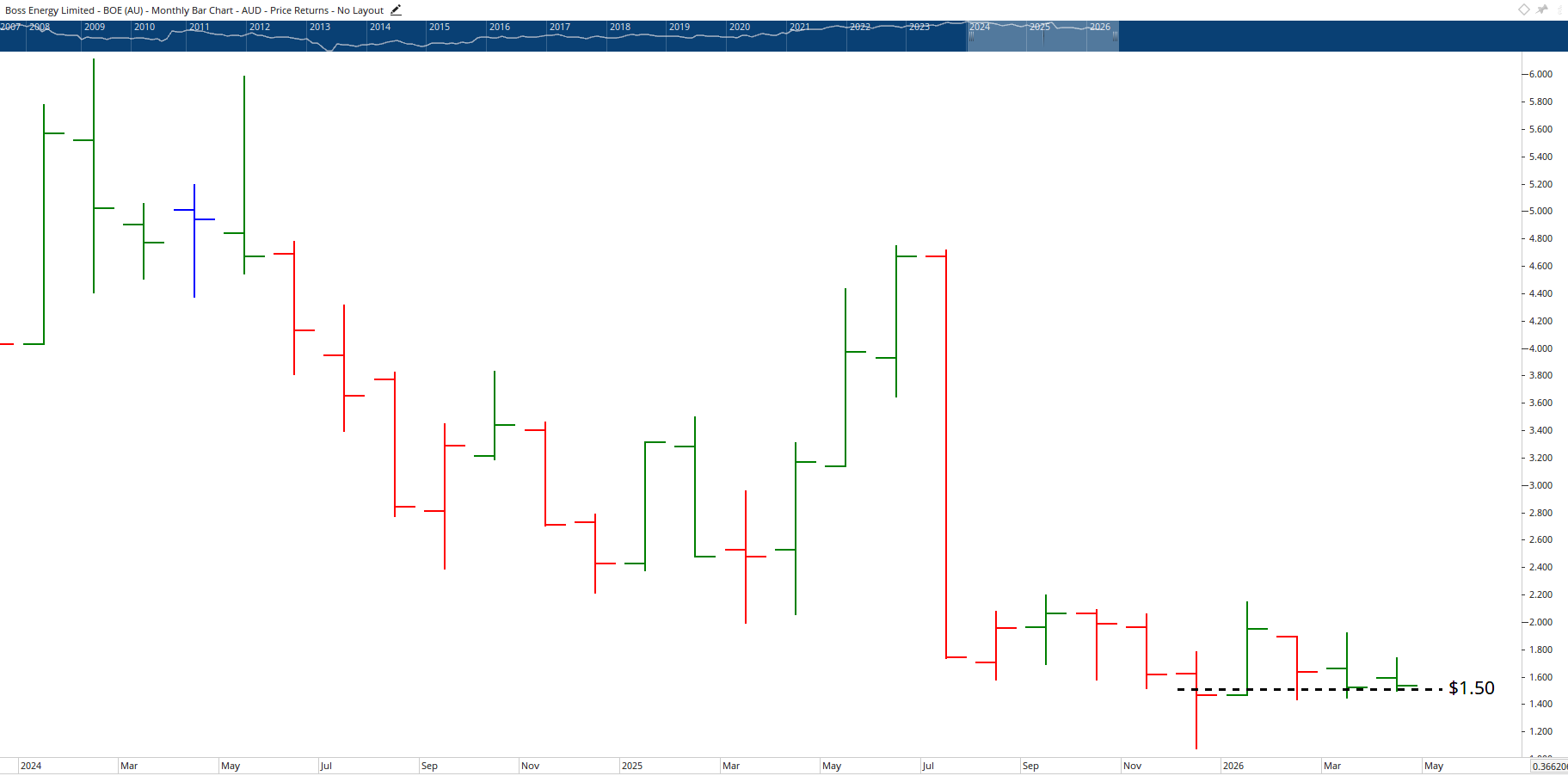
The recent sell-off appears to be reaching equilibrium, with price agreement forming between $1.50 and $2. Crucially, there is a major unfilled gap on the chart, and if BOE were to close that gap from current levels, it would represent 113 per cent upside, comfortably double-bagger territory.
Stock 9: Zip Co (ASX: ZIP)
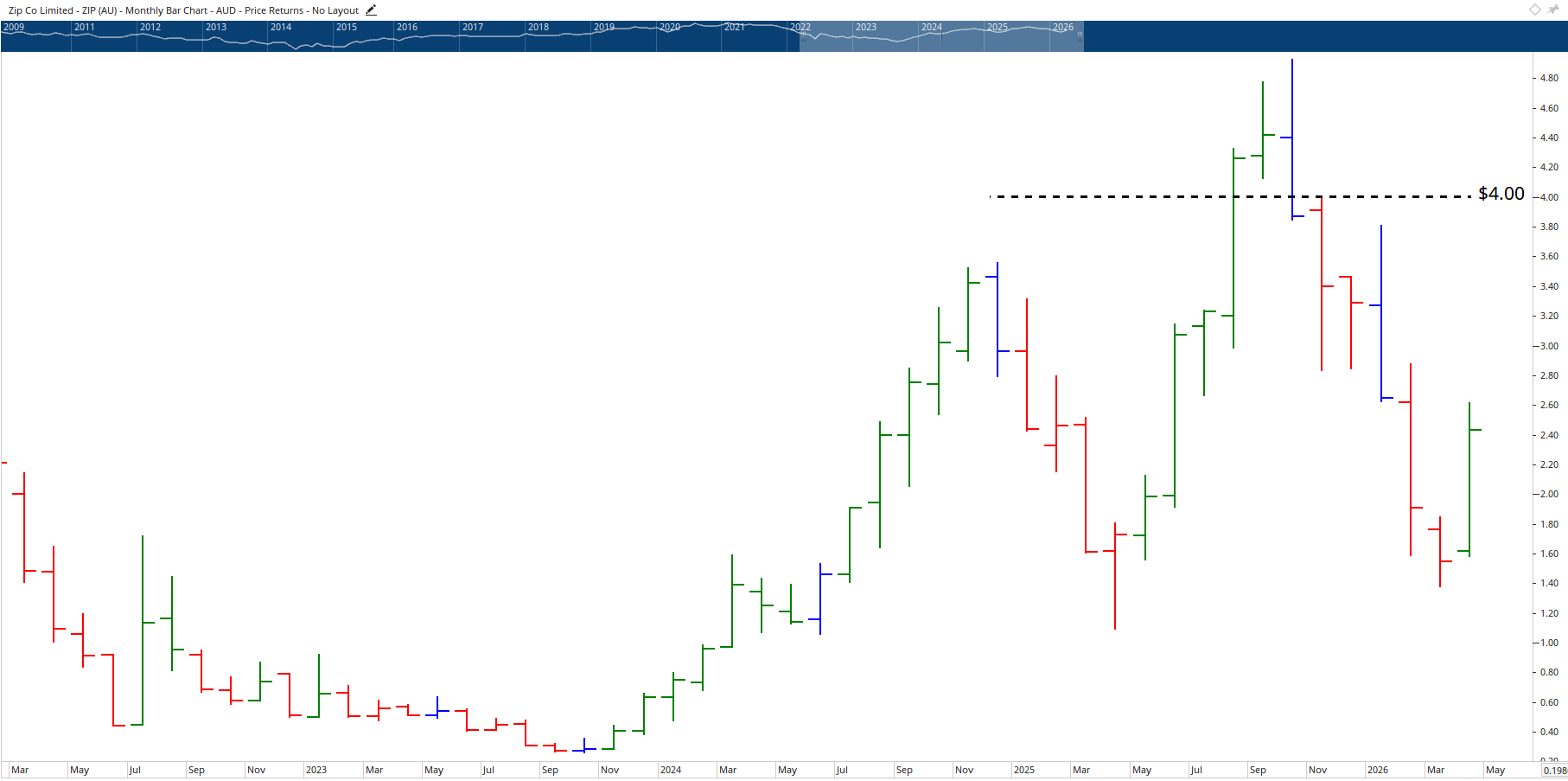
Zip provides buy now, pay later financial services. After a strong run in 2025, the stock has pulled back 72 per cent, which Janine flagged as a meaningful warning. The retest of the recent low needs to be followed by genuine strength from buyers and a clear setup before a long-side trade is justified.
If ZIP can consolidate around $2 and break back above $2.50, it could head toward $4 as the next leg unfolds. For now though, this one is still proving itself.
Stock 10: Viva Energy (ASX: VEA)
Viva Energy operates one of Australia's only oil refineries. With Australia's energy security firmly in the spotlight, and a recent fire at the refinery already digested by the market, this stock could benefit significantly from any government policy supporting domestic refining capacity.
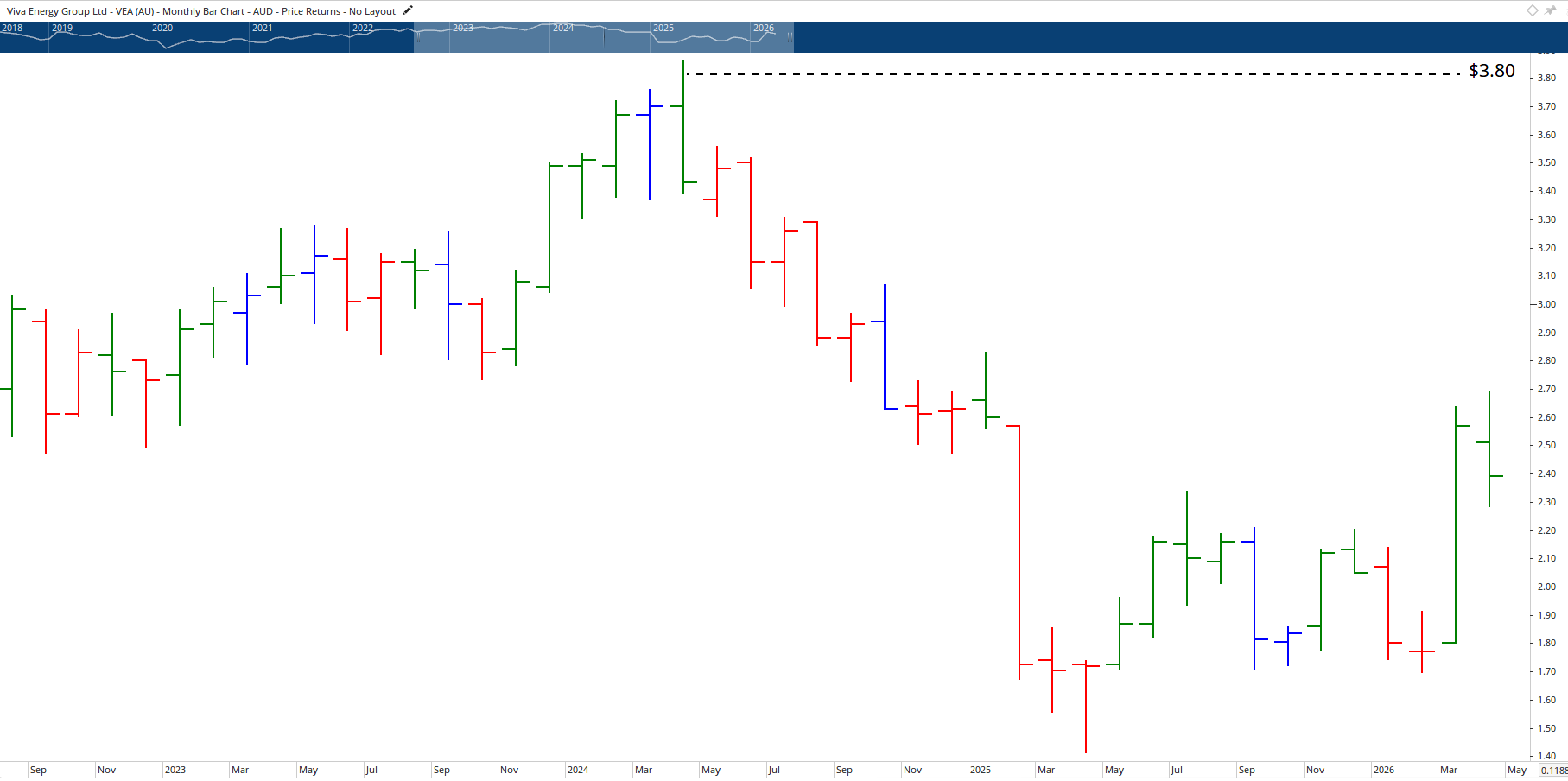
The chart shows a similar setup to its 2020-2021 consolidation that preceded a clean uptrend. With current prices around $2.37 and the all-time high near $3.80, there is potential for at least 62 per cent upside, plus a solid dividend for long-term holders.
Pedro's view: this is one of the strongest "bigger stock" setups on the list, combining real fundamentals with a clean technical structure.
Hot Stock of the Week: Deep Yellow (ASX: DYL)
Beyond the main ten, Pedro highlighted Deep Yellow as the hot stock of the week. The uranium developer recently released a positive March quarterly report, with construction readiness rising and a strong cash position backing its flagship Tumas project.
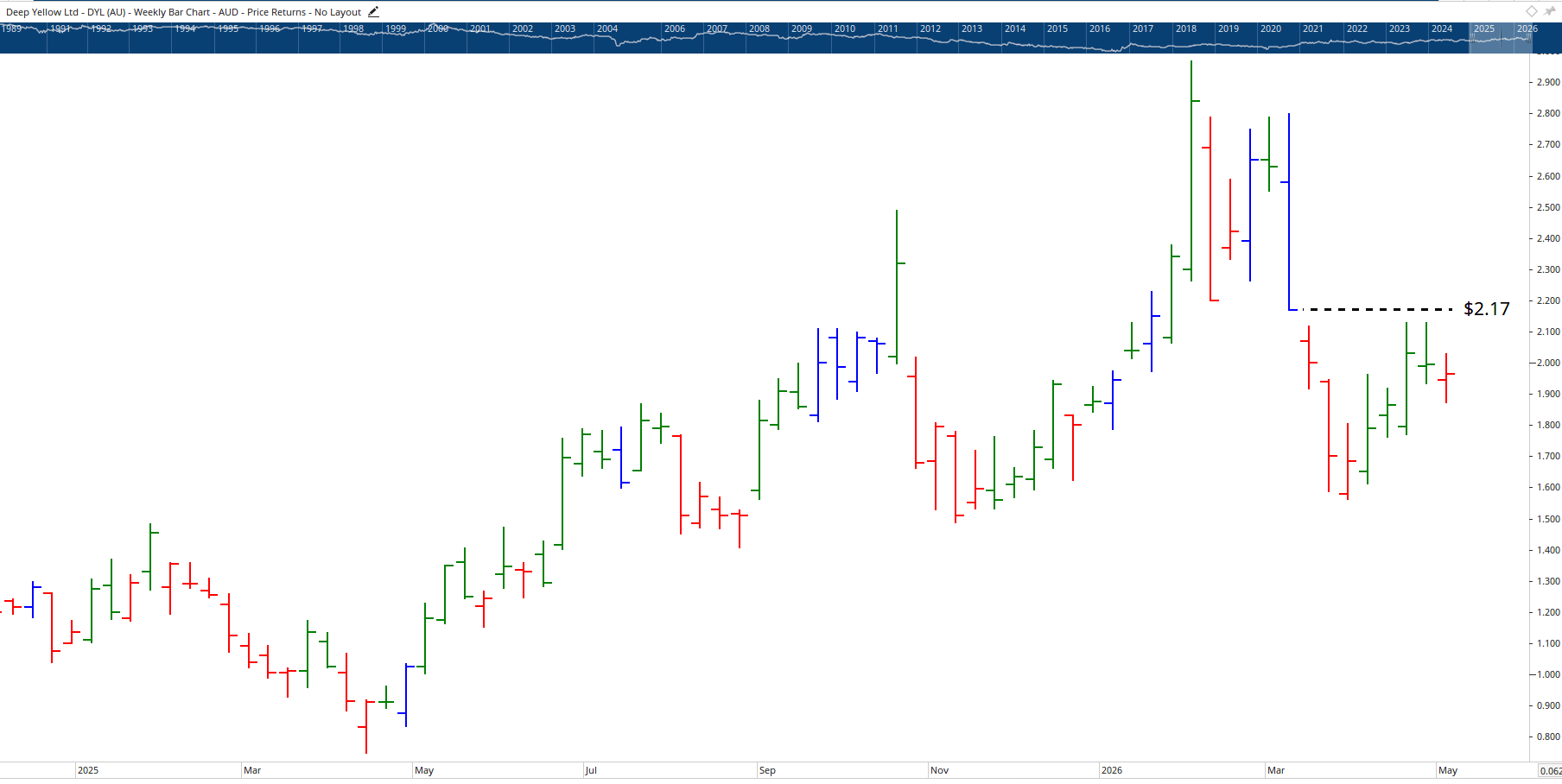
The monthly chart shows a clean uptrend respected since 2020, and DYL tracks the price of uranium closely, which is now pointing higher with higher highs and higher lows. There is an unfilled gap near $2.17 that could be tested in the short term, but watch carefully for the rise-and-fall pattern that has characterised this stock. A pullback to $1.50 or even $1.40 (the prior 2021 high) would offer a much higher-probability entry.
The Common Thread: Timing Beats Picking
If there's one takeaway from the show, it's this: in 2026, timing matters more than ever. Many of these stocks have been in long downtrends or extreme volatility, and the difference between a multi-bagger and a money pit often comes down to entering at the right phase of the cycle.
As Filip pointed out, healthcare giants like Cochlear, mining stalwarts like BHP and Rio, and even high-flyers like ZIP have all shown how quickly fortunes can change. Buy and hold is no longer enough; investors who learn to read price action and time their entries will continue to dominate the returns table.
Build the Skills to Trade Multi-Baggers Confidently
Hunting multi-baggers without a structured framework is gambling. With one, it becomes a repeatable edge. That's why Wealth Within has spent more than 24 years educating Australian traders to combine technical analysis, fundamental insight, and disciplined money management.
If you're new to the markets, the Short Course in Share Trading is the perfect starting point, covering the core foundations needed to trade safely and profitably across bull and bear markets.
You can also browse the latest Hot Stock Tips videos from the Australian Stock Market Show, or learn more about Wealth Within and our 24 plus year track record in trading education.
Final Thoughts
Multi-bagger opportunities don't announce themselves with fanfare. They emerge quietly, often when no one is watching, in sectors investors have temporarily forgotten. The ten stocks above span exactly that kind of opportunity, from rare earths and uranium to AI, lithium, and refining.
Whether or not each one delivers, the analytical process behind identifying them is the real long-term edge. Markets reward preparation, and the traders who put in the work today are positioning themselves for the kind of returns most investors only dream about.
Disclaimer: This article is general in nature and does not constitute personal financial advice. Always conduct your own research or consult a licensed adviser before making investment decisions.